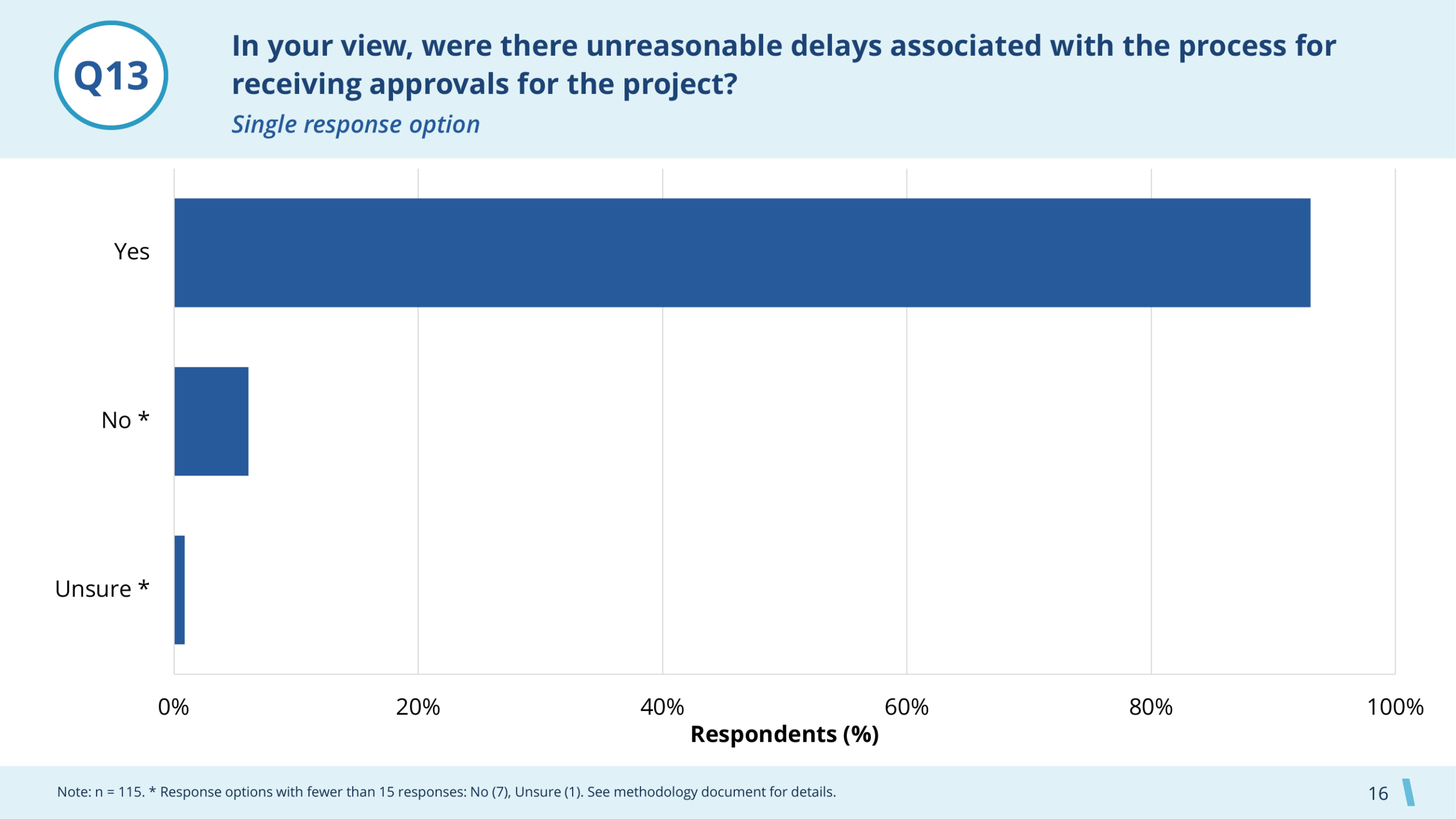
That is what people who actually seek housing approvals told the Productivity Commission in its new developer survey.
Most of that time is spent waiting for a decision. On development approvals, 79% said more than half of it, and 54% said almost all of it. Waiting for local council decisions had a large negative impact for 69%.
82% of respondents saw projects abandoned or significantly changed in the past two years because the approvals process made them unfeasible. The top reasons were:
• financial cost of delays, including holding costs (33%)
• higher approval-condition costs (23%)
• Meanwhile changes to the sale price: just 3%.
Contributions did almost as much damage. 59% saw projects made unfeasible by developer or infrastructure contributions in the past two years.
Look at what happened to those projects:
• 31% were not developed and the land was sold.
• 29% were not developed and the land was retained.
• 18% did not proceed with a land purchase
In other words, 78% of potential projects saw zero homes delivered due to a lack of #feasibility.
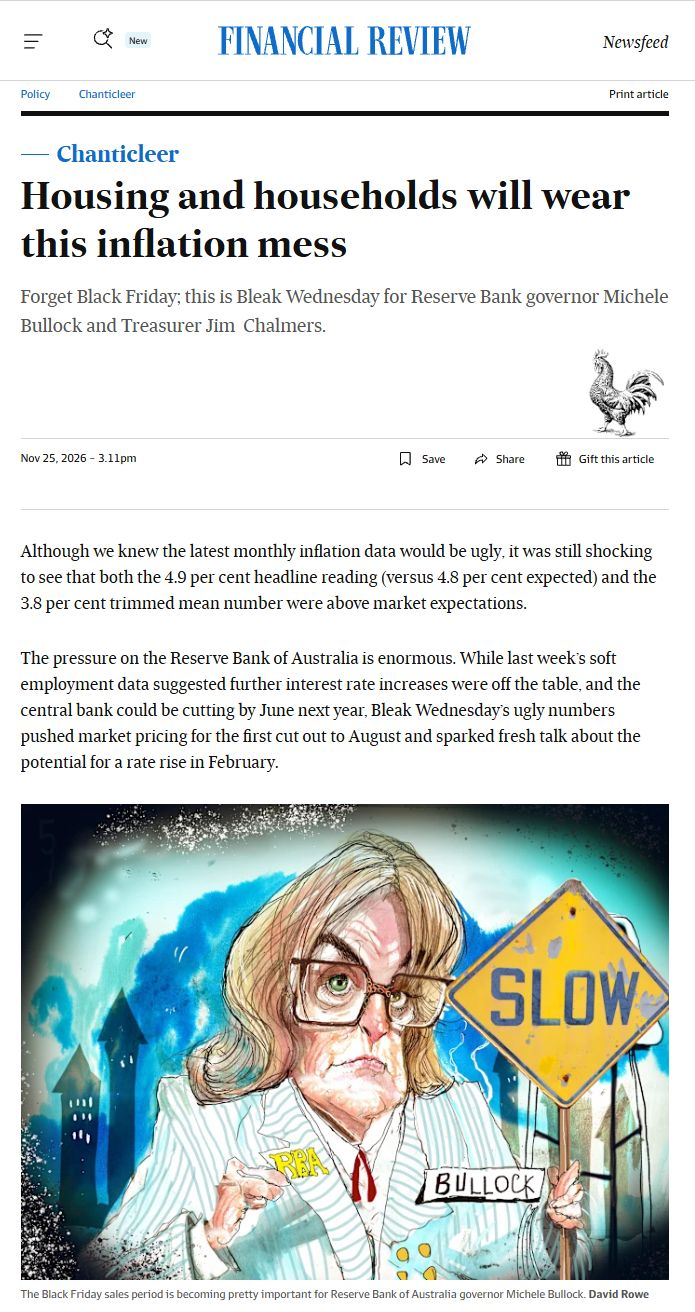
Every delay hurts the cost stack: holding costs while you wait, contributions that break the residual, new taxes loaded onto the same project, and then rampant cost inflation on top.
Governments keep tying to define the lack of new supply as a sympton of a soft market. This survey points almost entirely to cost and delay.
🎯Speed up decisions. Cut holding costs. Stop loading contributions and taxes onto development. Stop treating developers as the enemy. Then you might start seeing more (attainable) homes built.


Leave a Reply